Motorized closet systems use powered movement to improve access to stored clothing and compatible accessories. Choosing between them starts with the items you own, the room layout and the way you use your wardrobe.
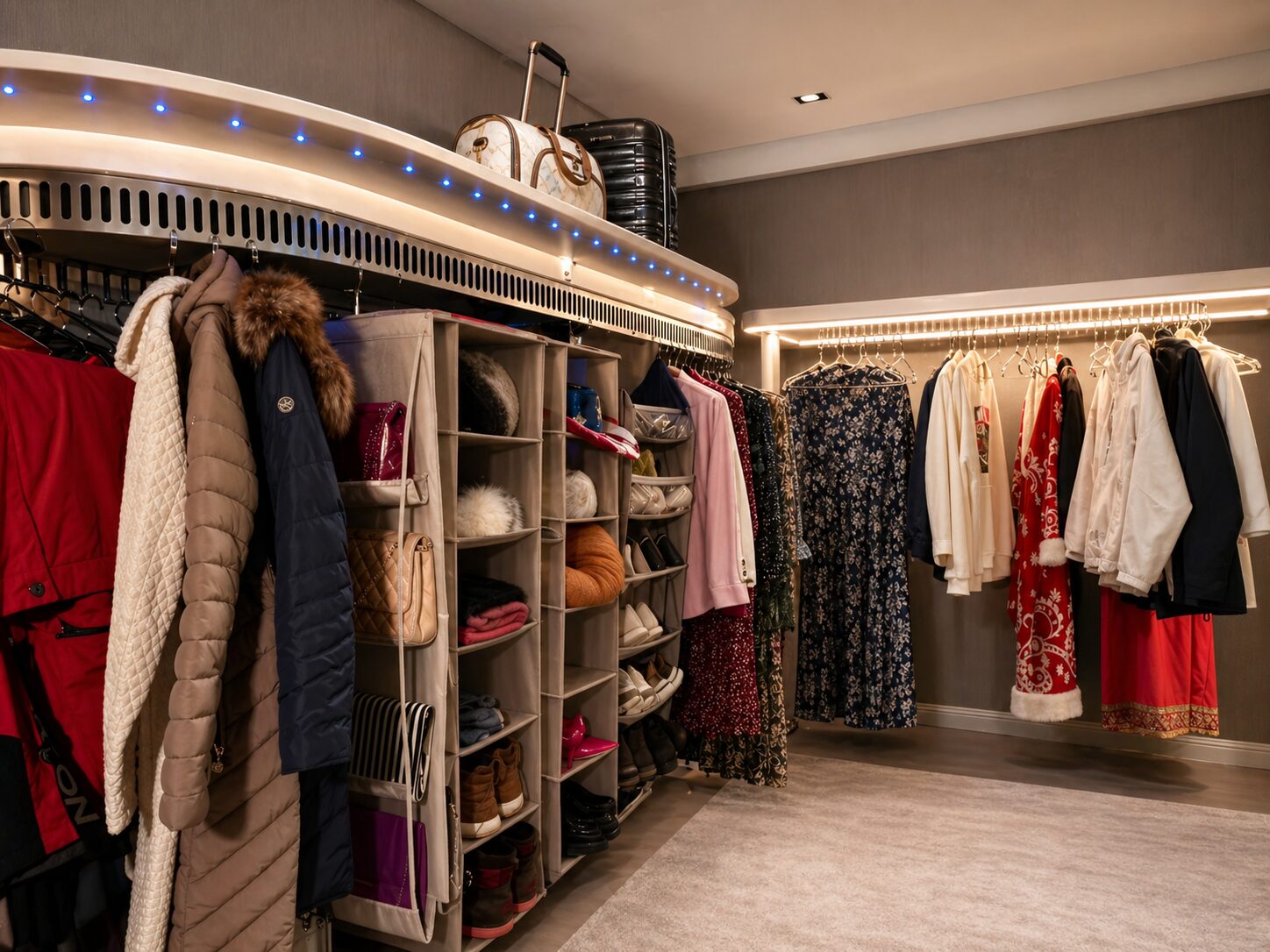
Fresh USA helps customers evaluate motorized closet systems before selecting a specific configuration.
This guide compares storage approaches. Visit the closet carousel models and options when you are ready to compare Fresh USA models and request pricing. The goal here is to decide whether powered storage suits your project and which type deserves closer review.
Start With Your Storage Task
Motorized closet systems are most useful when moving items can solve an access problem. A large hanging collection, deep storage or a hard-to-reach section may justify evaluating a powered track. Easily reached fixed rods and shelves can remain practical elsewhere.
Count everyday garments separately from occasional clothing. Note coats, dresses, suits and compatible hanging organizers. Powered storage systems should be selected for usable access and realistic contents rather than nominal capacity alone.
Powered Closet Systems Compared
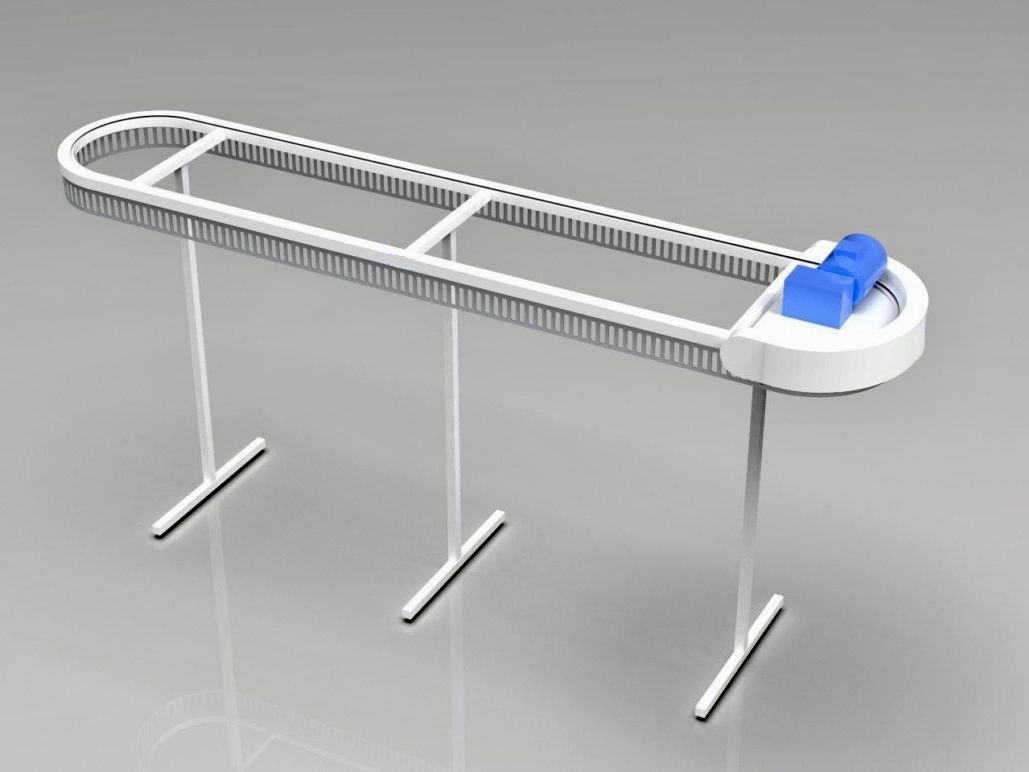
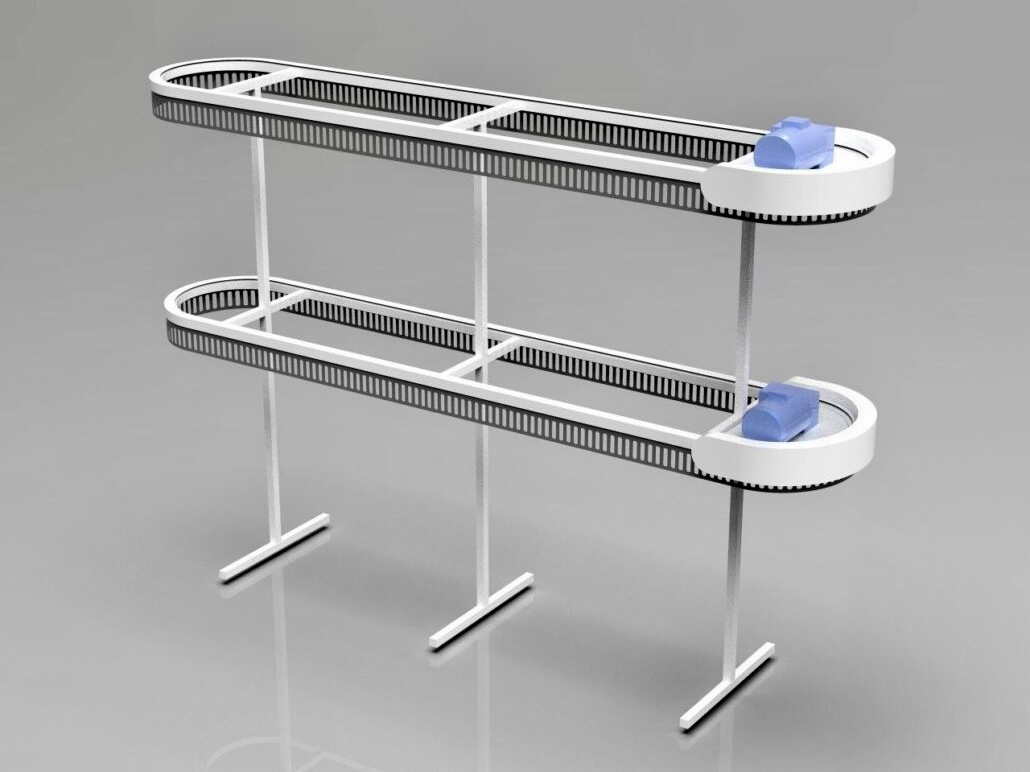
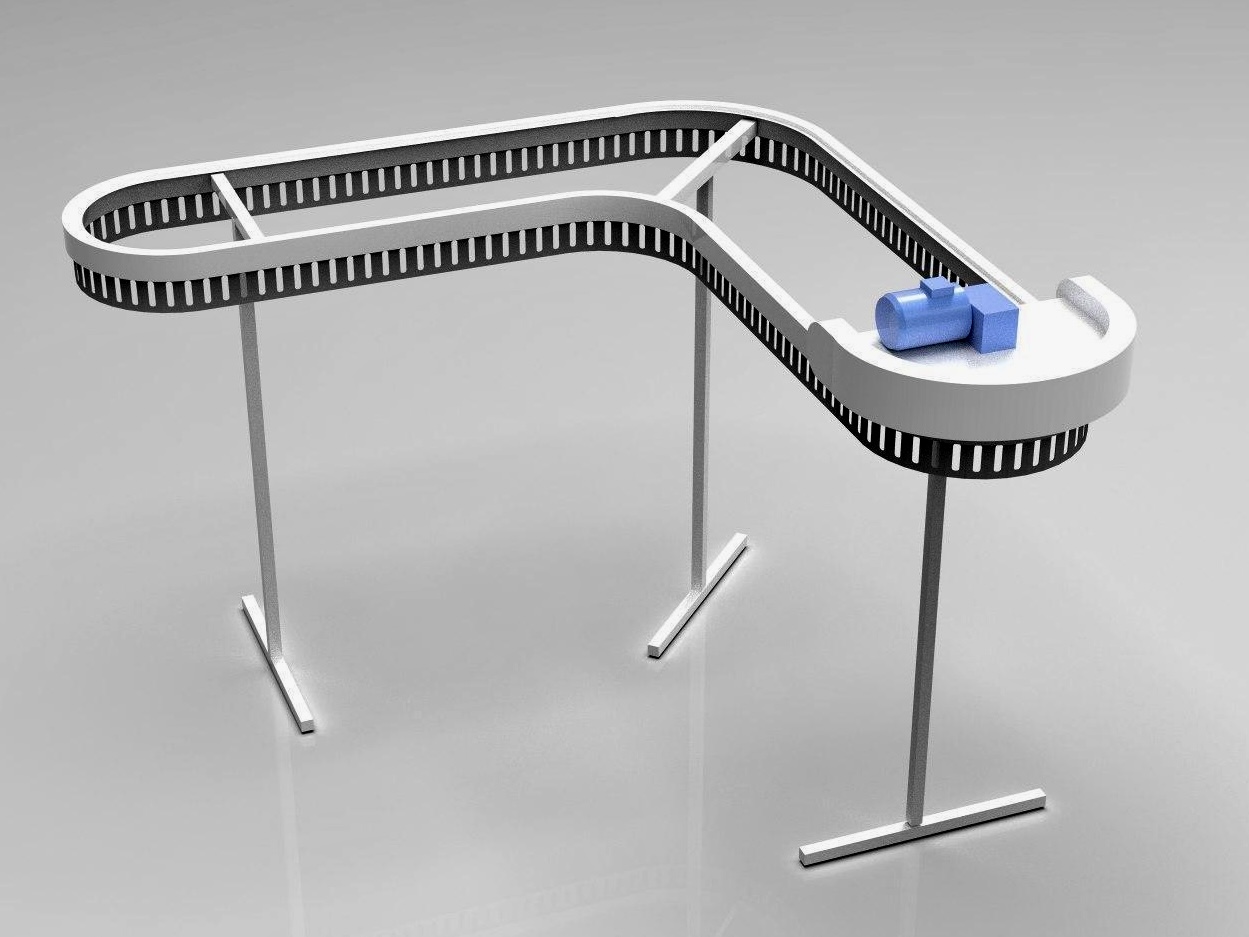
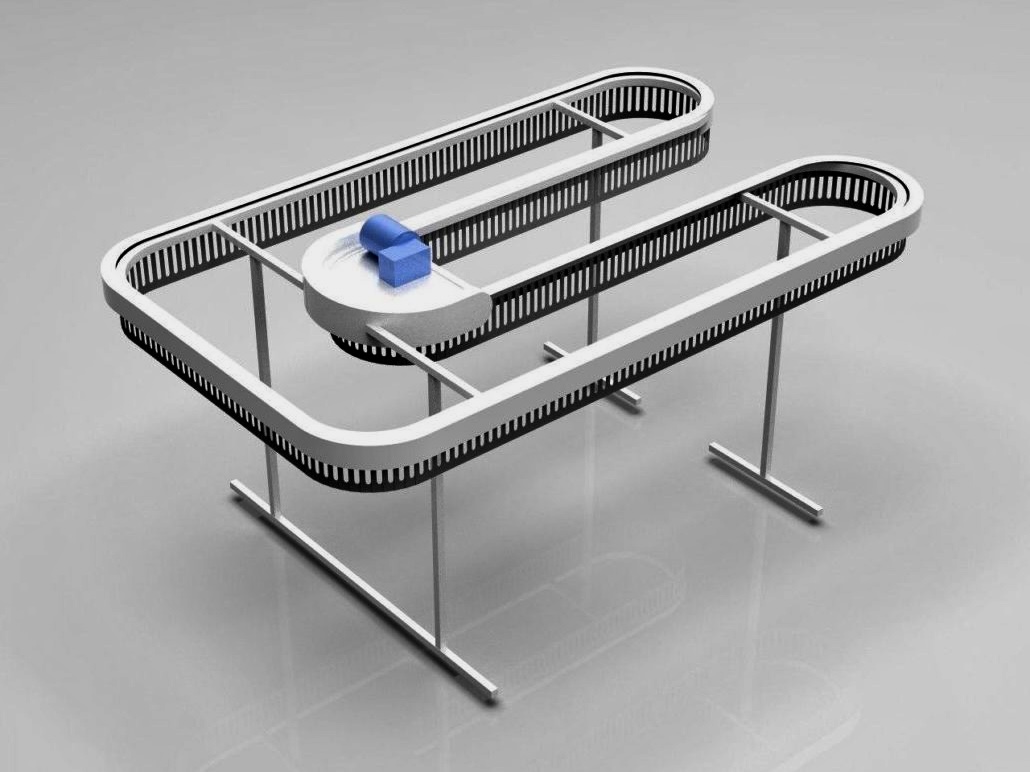
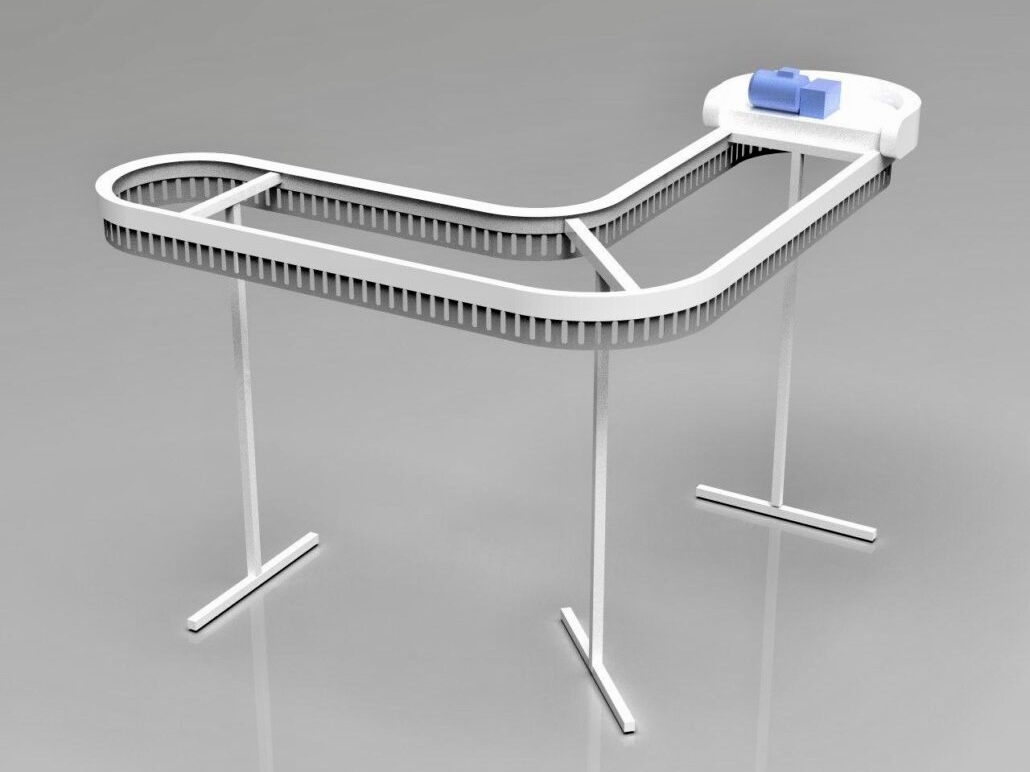
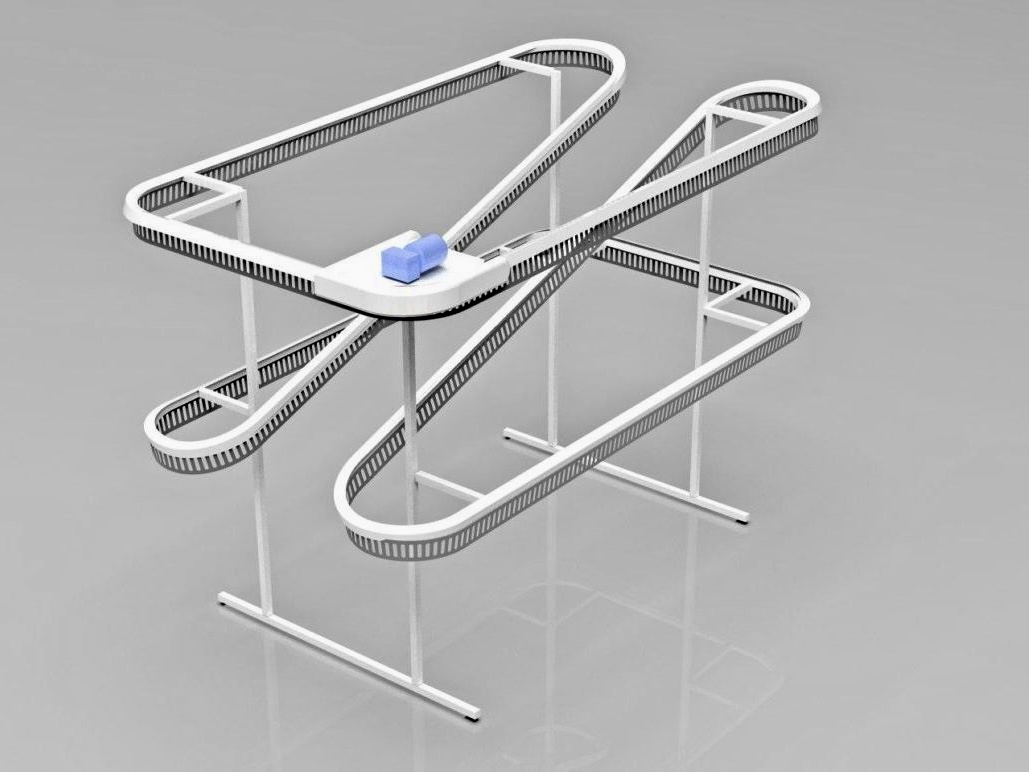
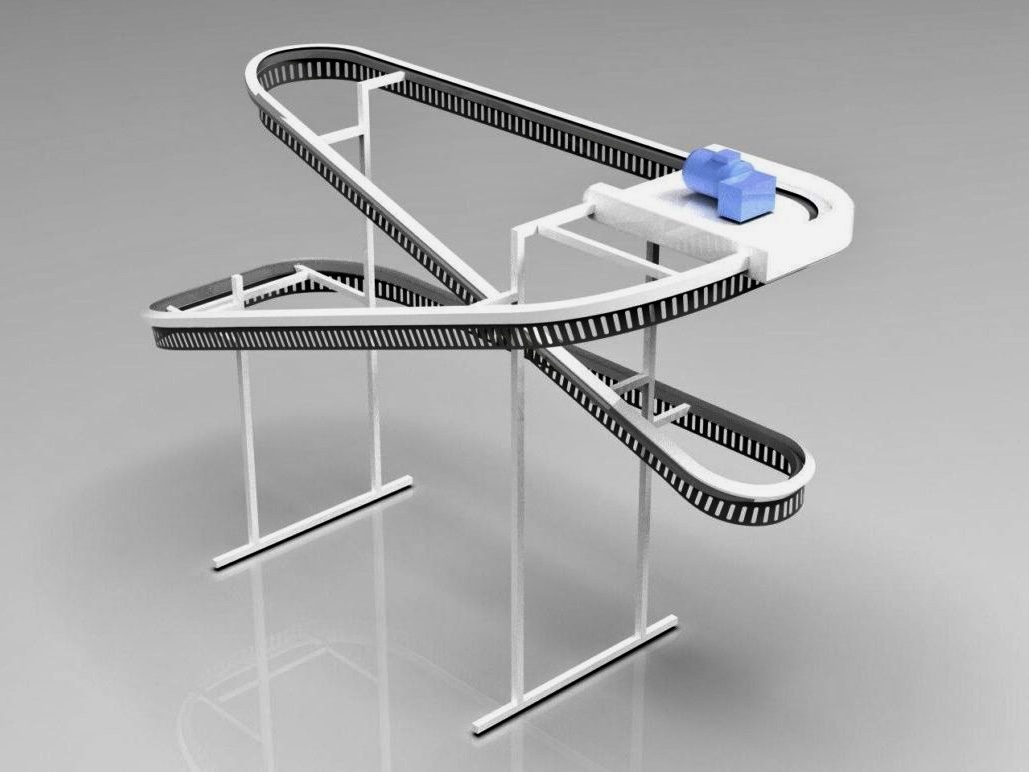
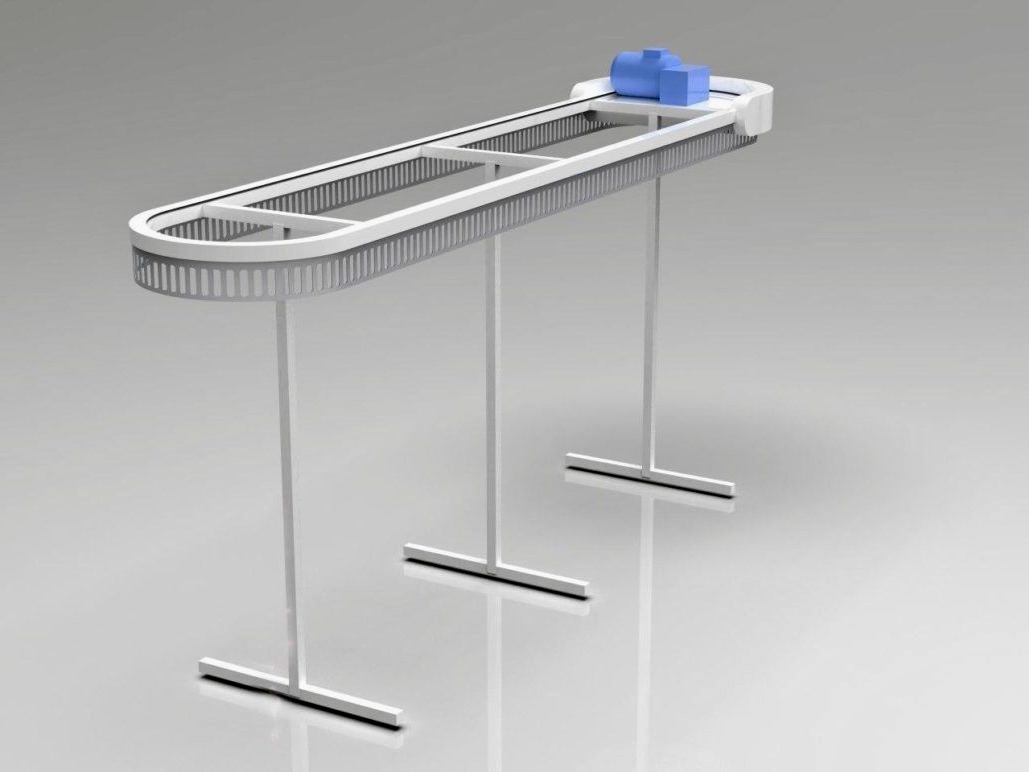
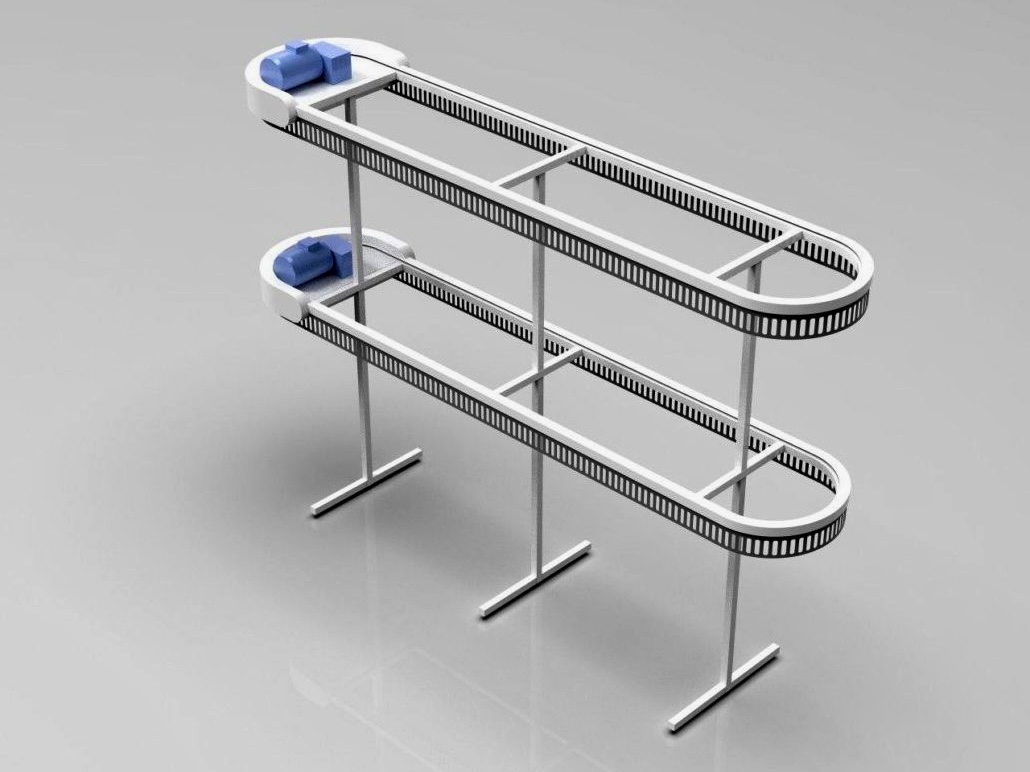
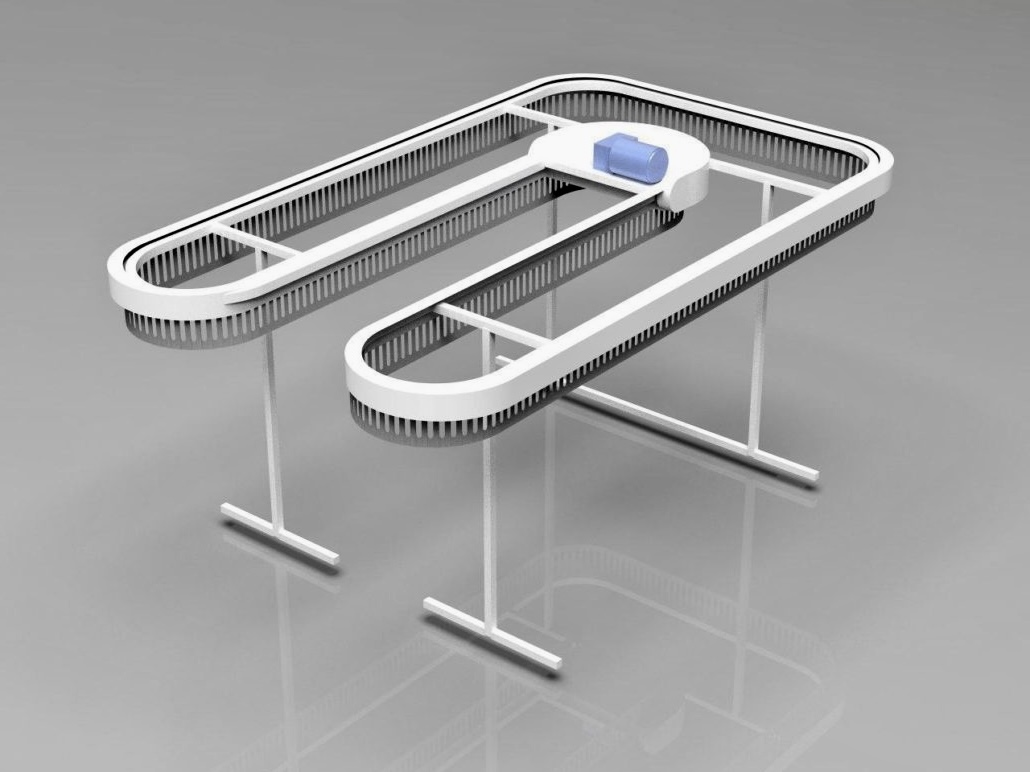
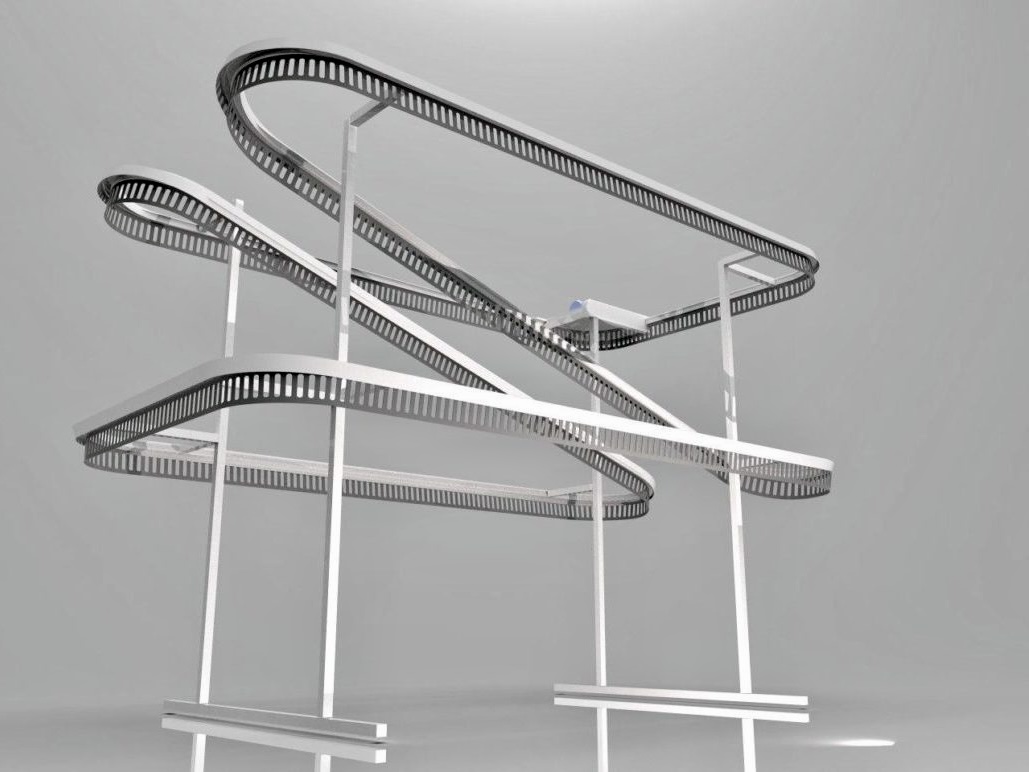
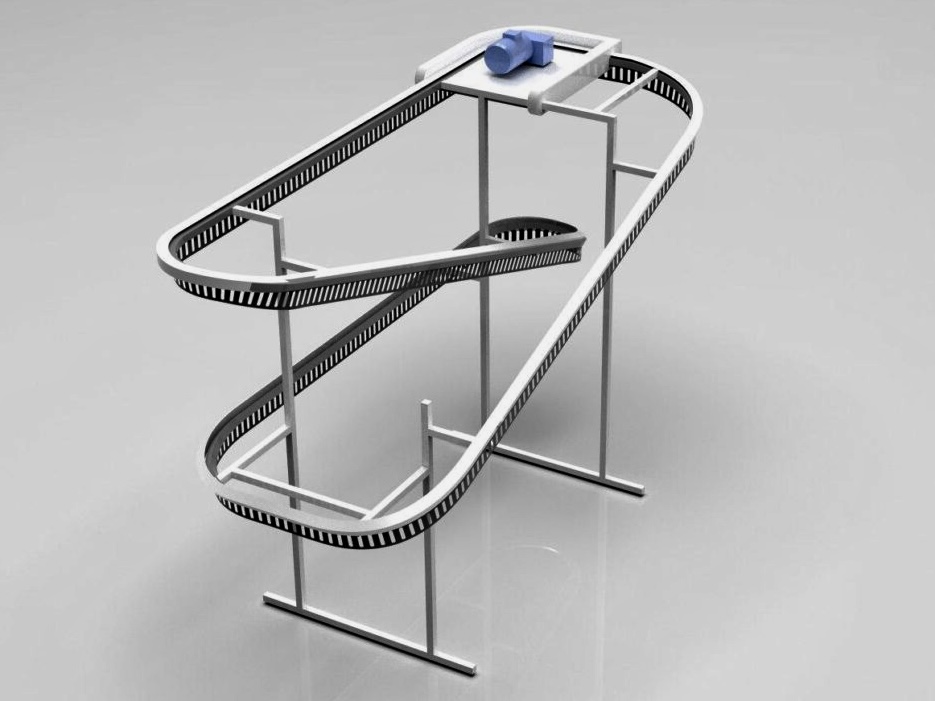
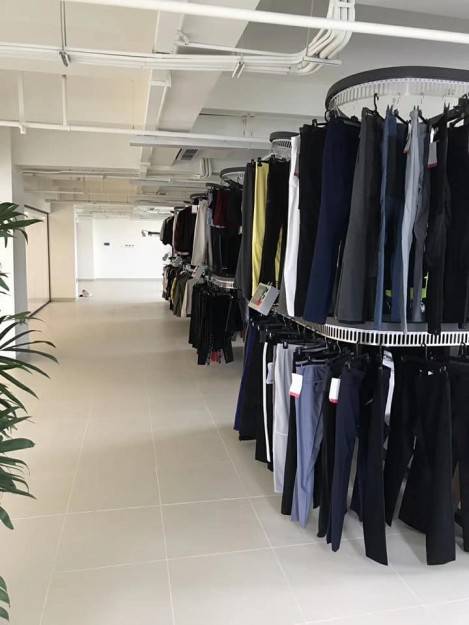
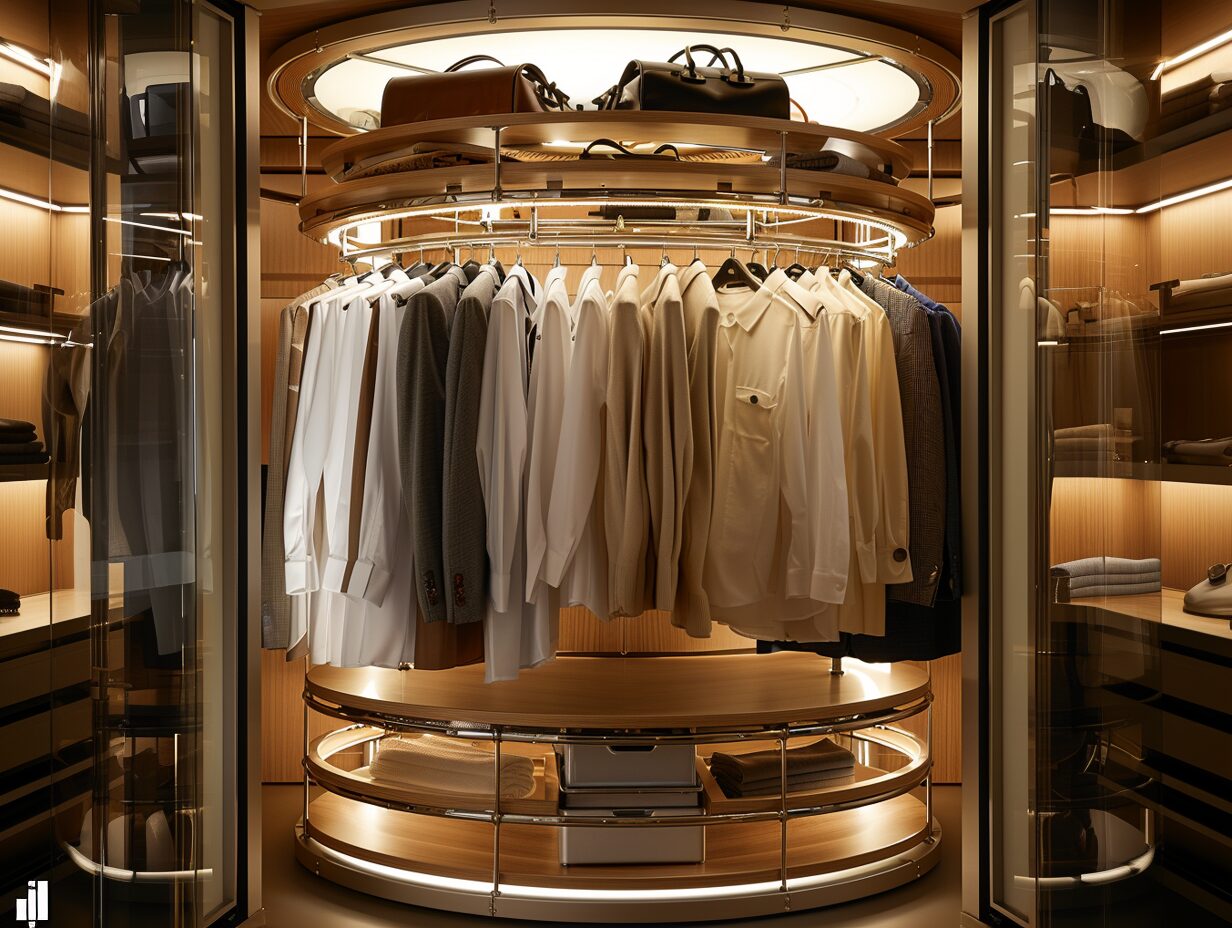
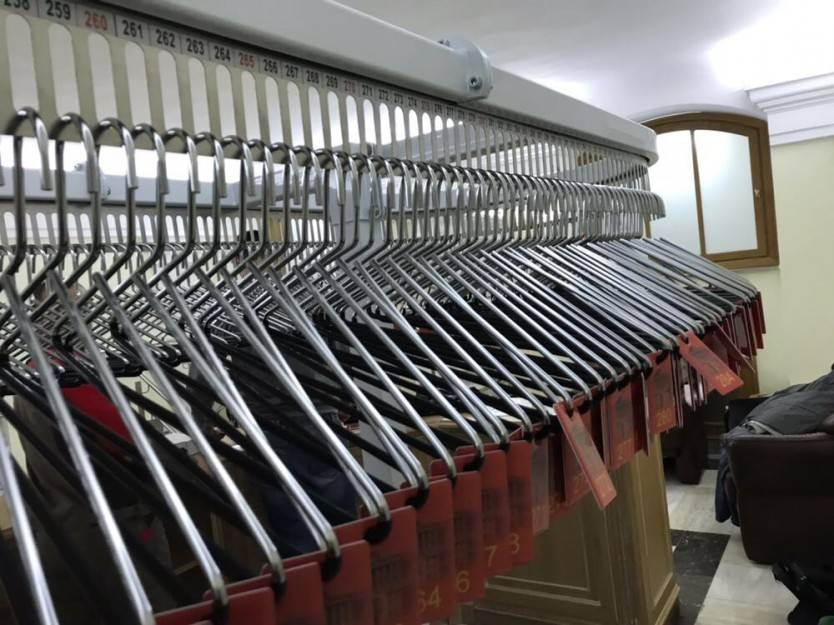
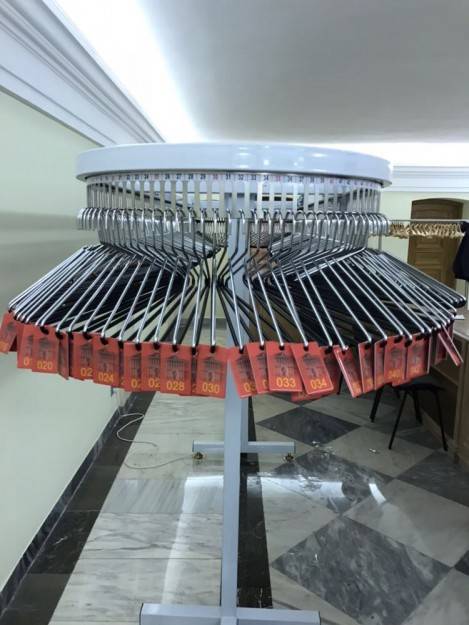
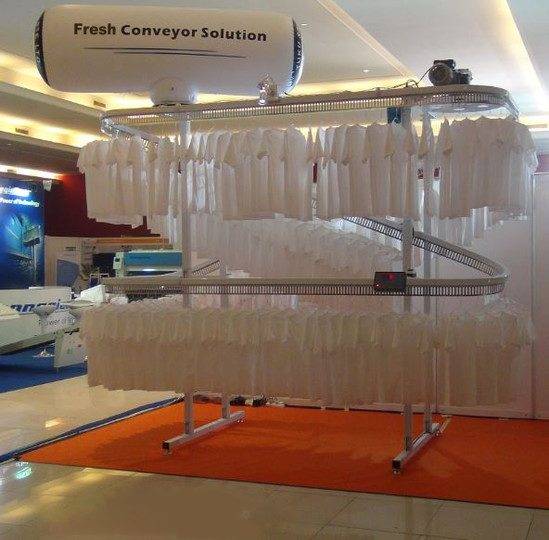
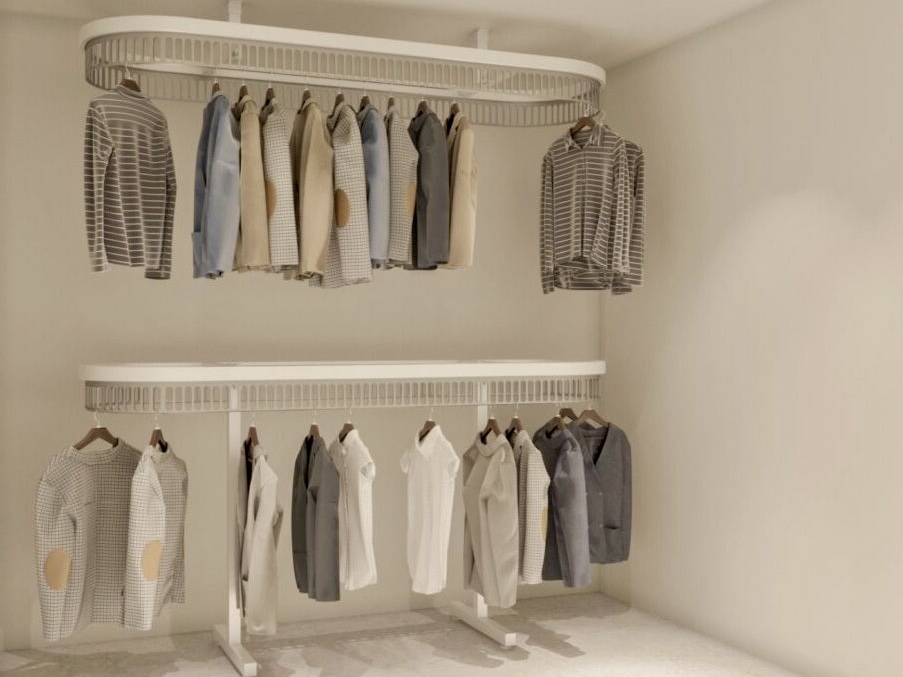
The category includes garment conveyors, compact powered racks and shelf-style configurations. Fixed drawers, shelves and rods may complete the room. Motorized closet systems do not need to replace every storage surface to improve the way a wardrobe works.
| Storage approach | Main question | Next step |
|---|---|---|
| Powered hanging track | Do you need better access to many garments? | Review garment models |
| Compact powered rack | Would focused moving storage suit a smaller project? | Check the compact configuration |
| Compatible hanging accessories | Will the load and movement suit the chosen system? | Confirm attachments |
| Fixed shelves and drawers | Are accessories already easy to reach? | Plan storage zones |
Use this comparison to narrow the choice, then confirm the available equipment. Powered storage systems with similar descriptions can differ in capacity, support, controls and clearance.
Decide What Should Move
Hanging garments may benefit from moving toward one operating point. Small accessories, fragile bags or frequently opened drawers may work better in fixed zones. Motorized closet systems need a planned load and a clear travel path for every moving item.
Avoid treating a hanger position as a shelf or assuming an attachment is included. Compatible organizers must be assessed for the actual configuration. The guide to garment and accessory storage zones explains how to separate clothing, shoes and accessories into useful storage zones.
Space for Closet Systems
Measure usable width, depth and height, including slopes, doors and surrounding cabinetry. Powered storage systems need space for clothing beyond the mechanism itself. A tall room may allow another level, but access and garment length must also suit that arrangement.
For preliminary project preparation, use the home clothes conveyor installation guide. The closet carousel layout guide helps distinguish the equipment footprint from the moving envelope and the walking area.
Compare Mounting Requirements
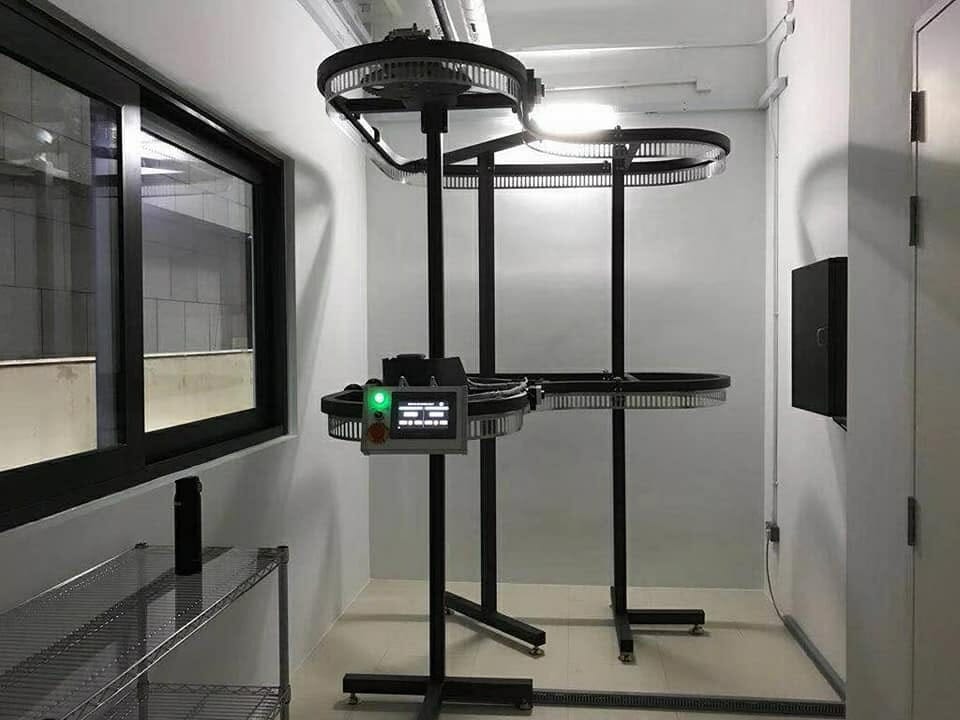
Some motorized closet systems can use overhead support, others a floor-supported structure or suitable wall supports. Identify what is available before selecting a model. Your installer should evaluate structural preparation against the equipment requirements.
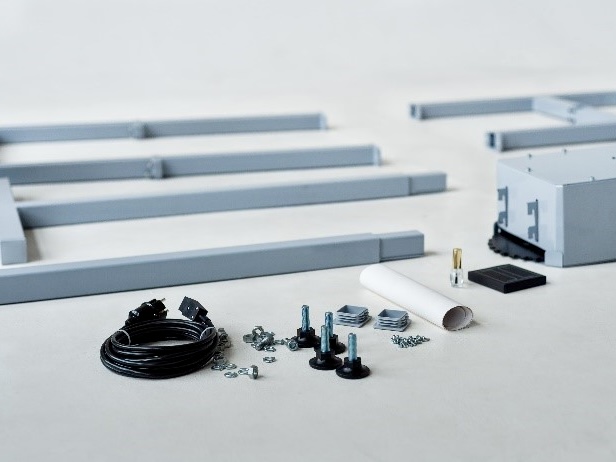
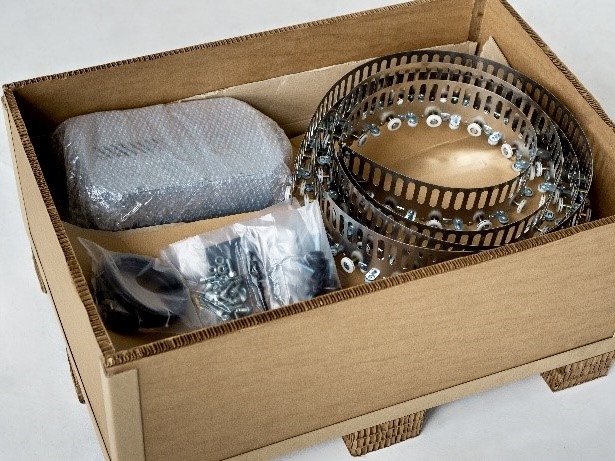
Powered storage systems should be planned alongside nearby cabinetry. Allow access for assembly, operation and the maintenance procedures in the supplied documentation. Discuss support changes before surrounding finishes are completed.
Motorized Closet Controls
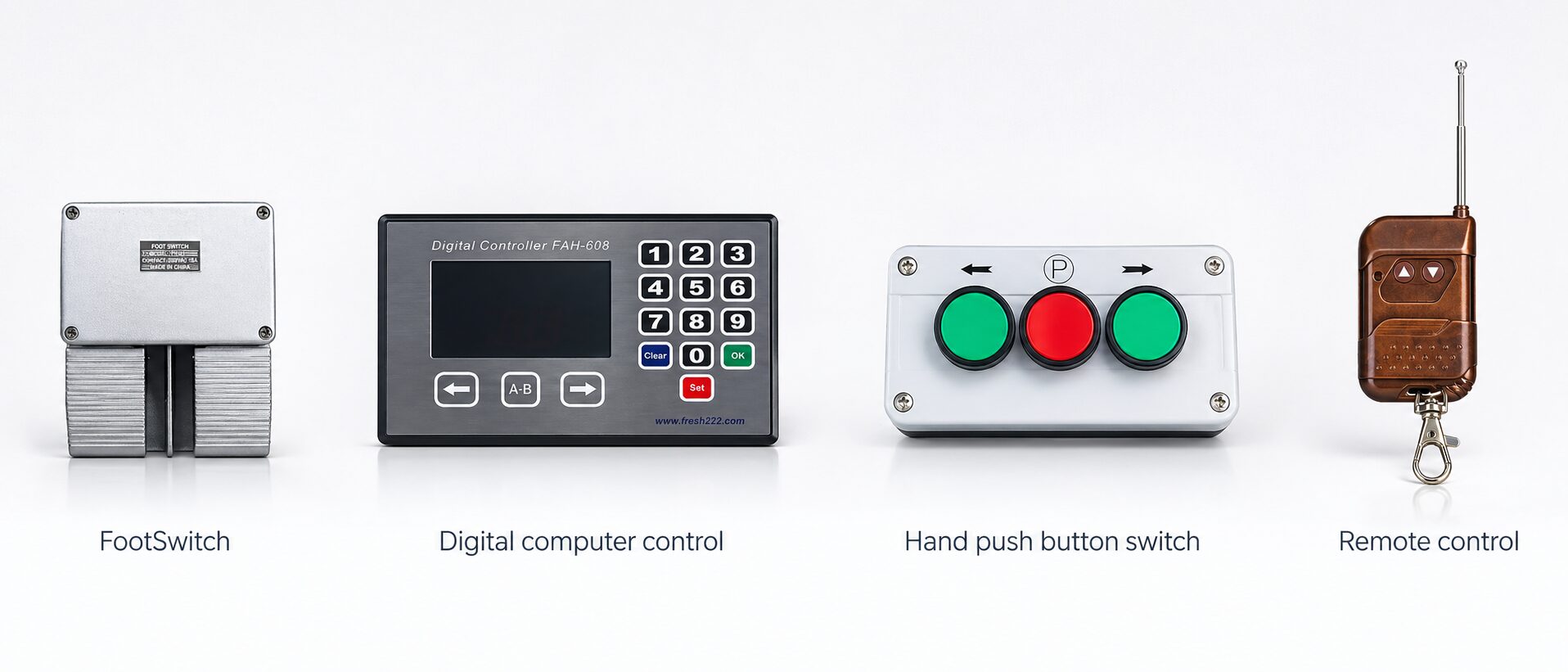
Standard buttons provide a straightforward operating point. Remote control and foot pedal options may suit selected configurations. Motorized closet systems should have controls that work with how you browse, remove and return garments.
Confirm the included controls in the quotation. Extra software, search functions or home automation integrations require separate evaluation; they should not be assumed from the word automated.
Compare Closet Systems Before Ordering
Powered storage systems can improve access where conventional storage becomes awkward, but some projects benefit more from revised shelving or a better fixed layout. Compare the moving system with the simplest practical alternative for your clothing collection.
Ask whether it improves reach, preserves walking room and provides suitable hanging space. Motorized closet systems should support a clear daily task rather than add complexity without a useful benefit.
- A larger hanging collection: compare the main garment models.
- A smaller powered project: review the compact electric rotating clothes rack guide.
- Mixed clothing and accessories: plan zones before equipment selection.
- Difficult corners or slopes: review smart storage ideas for difficult spaces.
Move From Comparison to a Project Review
Once you have narrowed the type, send Fresh USA measurements, photos, a sketch and the expected contents. Powered storage systems can then be compared against the actual installation conditions. Include preferred controls and the delivery address.
Use official model information for current specifications and prices. This selection guide does not establish one capacity, dimension or installation method for the whole category.
Selection Questions
Are all motorized closet systems clothes conveyors?
Powered storage takes different forms. Compare the actual mechanism and intended contents rather than relying only on the category name.
Can I retain existing shelves?
Often the project can combine fixed and moving storage, provided the approved layout leaves adequate clearance. Measure the shelves and show them on your sketch.
How do I choose between motorized closet systems?
Start with item type, access problem, room size and mounting conditions. Then review the models that suit those requirements with Fresh USA.
Where should I go next?
Use the main product comparison for model selection or the installation guide for site preparation. Both are linked below.
Discuss Your Project With Fresh USA
Gallery and Videos